
5 Common Mistakes to Avoid When Buying Online
Online shopping in Ghana has exploded, and with it, the number of buyers losing money to avoidable errors. The truth is that most online shopping problems are not caused by clever scammers, they are caused by common mistakes to avoid when buying online that buyers repeat every single day. Paying before checking, trusting a blurry photo, chasing a price that is too good to be true, these are the habits that empty wallets. On Post2SellGhana, every listing is public and every seller has a profile you can check before you commit, which removes most of these risks from the start. This guide breaks down the 5 biggest online shopping mistakes in ghana and exactly how to avoid each one.
Mistake One: Paying in Full Before You See the Item

The number one mistake buyers make is sending the full payment before they have seen the product with their own eyes. A scammer asks for payment upfront, promises delivery, and then disappears, or sends a completely different item and refuses a refund. In Ghana, where most payments happen through mobile money, an upfront transfer is almost impossible to reverse once it leaves your account.
How to avoid it: never pay in full before you see the item. For local deals, meet in a public place, inspect the product, and pay only when you are holding it. For delivered items, choose payment on delivery where possible, or pay a small deposit at most. A genuine seller will never demand the full amount before you see anything.
Mistake Two: Skipping the Seller Check
The second mistake is buying from a seller without checking who they are. A brand new account with no reviews, a profile with no history, photos that look copied, all of these are warnings that buyers ignore because they are in a hurry. One quick check can save you hundreds of cedis.
How to avoid it: always check the seller before you pay. Look at how long the account has existed, read the reviews, ask for a live video of the item working, and run a reverse image search on the photos. Our guide on how to verify a seller before paying walks through every check in detail, and it takes less than ten minutes.
Mistake Three: Chasing Deals That Are Too Good to Be True
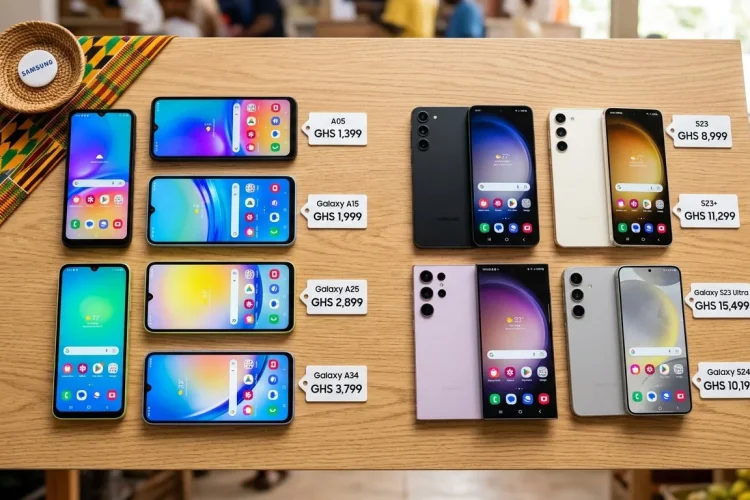
The third mistake is believing that a brand new phone selling for half the market price is a bargain. Scammers know that greed beats caution, so they price their fake listings far below everyone else to attract victims. If a deal looks impossibly cheap, it usually is, and the buyer pays for the lesson.
How to avoid it: compare the price with other listings before you commit. If a product is priced far below the market average, ask why. Real sellers price honestly, while scammers use low prices as bait. Our list of the 10 items that sell fast in Ghana shows what fair prices look like for the most traded products, so you can spot a bad deal instantly.
Mistake Four: Buying in Anonymous Channels
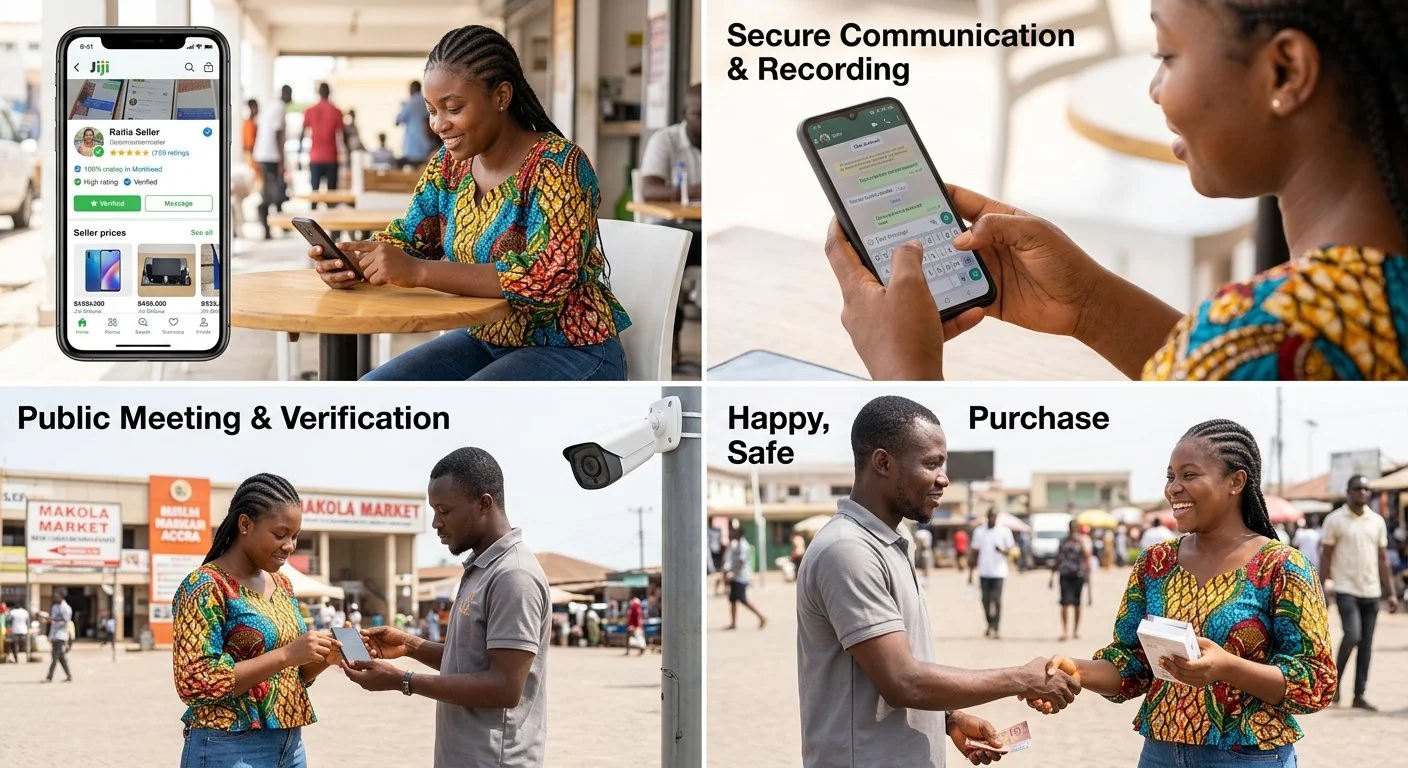
The fourth mistake is shopping where nothing is traceable. Anonymous WhatsApp groups, private chat sellers, and random social media pages are where scammers hide, because there is no account history, no reviews, and no platform to report to. When the deal goes wrong, the seller simply vanishes and you have nothing to fall back on.
How to avoid it: trade on platforms where deals are public and sellers are accountable. A marketplace keeps every listing visible, every profile checkable, and every scam reportable. That is why our best online marketplaces in Ghana guide ranks traceability above everything else, and why Post2SellGhana keeps every transaction in the open where scammers do not dare to operate.
Mistake Five: Common Mistakes to Avoid When Buying Online-Keeping No Records
The fifth mistake is treating the deal as finished the moment you pay. Buyers who save nothing have no proof when the item does not arrive, when it arrives damaged, or when the seller claims you never paid. Without records, your word means nothing and your money is gone.
How to avoid it: save the listing, the chat history, the payment confirmation, and the seller’s phone number until the deal is fully closed. Screenshot everything, because messages can be deleted. These records are what you need to resolve disputes, report fraud, and get your money back. If you ever do get scammed, act fast and report it, and remember the story of how one seller almost got scammed selling a phone in Ghana and shut the trick down with evidence.
How to Buy Safely Online in Ghana Every Time
Avoiding these mistakes is not complicated. To buy safely online in ghana, build five habits into every purchase: verify the seller, compare the price, keep records, pay only when you are satisfied, and trade on a platform you can trust. Add the mobile money scams guide to your reading and you will recognise the tricks before they touch your wallet. Safe online shopping in ghana is not luck, it is habit, and habits are built one purchase at a time.
Frequently Asked Questions
What should I check before buying online in Ghana?
Check the seller’s account history and reviews, compare the price with other listings, ask for a live video of the item, and confirm the payment method before you commit.
How do I know if an online seller in Ghana is legit?
A legit seller has an established account, visible history, positive reviews, and will let you verify the item before paying. Anonymous accounts with no history are a warning sign.
Is it safe to pay online in Ghana?
Yes, when you pay only after verifying the item, use payment on delivery where possible, and never trust a payment screenshot sent by the seller.
What should I do if I get scammed buying online in Ghana?
Contact your mobile money provider immediately to request a freeze, report the seller on the platform, and file a complaint with the Consumer Protection Agency.
Final Word
The 5 common mistakes to avoid when buying online are paying upfront, skipping seller checks, chasing impossible deals, buying in anonymous channels, and keeping no records. Each one is easy to fix, and each fix protects real money. Trade on a verified online marketplace where sellers are visible, verify everything before you pay, and keep proof of every deal. Shop smart, stay safe, and let the scammers find easier targets.